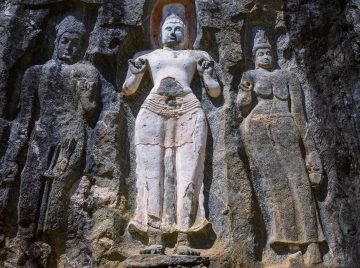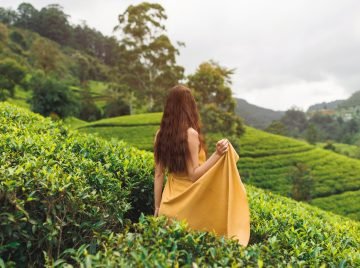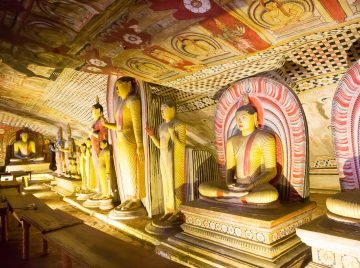
When you first lay eyes on the Sigiriya Rock Fortress rising abruptly from the central plains of Sri Lanka, it is easy to see why this site is often referred to as the eighth wonder of the world. Standing at nearly two hundred meters tall, this massive column of rock is more than just a geological marvel. It is a testament to ancient engineering, urban planning, and art. If you are planning a trip to Sri Lanka, Sigiriya is undoubtedly one of the most remarkable historical sites you will encounter. In this comprehensive guide, we will walk you through the rich history, the stunning architecture, the challenging yet rewarding climb, and everything else you need to know to make the most of your visit to this incredible UNESCO World Heritage site.
Navigating the central cultural triangle of Sri Lanka can be a fulfilling adventure, but it also requires a bit of planning. Between managing transport across rural roads, understanding the historical context of the sites you are visiting, and dealing with the tropical climate, having a reliable partner makes a significant difference. Throughout this guide, we will share how a well-organized approach can transform a standard sightseeing trip into a deeply memorable and stress-free holiday.
A Brief History of King Kasyapa’s Kingdom in the Sky
To truly appreciate the Sigiriya Rock Fortress, you need to understand the fascinating and somewhat turbulent history behind its creation. The story dates back to the fifth century, specifically between the years 477 and 495 CE. According to historical chronicles, King Kasyapa seized the throne of Anuradhapura after orchestrating the overthrow of his father, King Dhatusena. Fearing retaliation from his half-brother, Moggallana, who was the rightful heir to the throne and had fled to India, Kasyapa decided to move the capital and his residence to a more secure location.
He chose the towering rock of Sigiriya, a site that was already functioning as a Buddhist monastery. Kasyapa transformed this remote rock into an impregnable fortress and a lavish royal city. Over the course of his reign, he built an elaborate complex that included defensive structures, beautifully landscaped gardens, and a palace right on the summit of the rock. The sheer scale of this construction project is staggering, especially when you consider the limited technology available at the time. Materials had to be hauled up the sheer rock face, and sophisticated water management systems were carved into the stone.
Despite his efforts to create an impenetrable stronghold, Kasyapa’s reign was short-lived. In 495 CE, Moggallana returned from India with an army. During the ensuing battle, Kasyapa was defeated. Following his death, the capital was moved back to Anuradhapura, and Sigiriya was handed back to the Buddhist monks. It functioned as a monastery for several more centuries before eventually being abandoned and swallowed by the surrounding jungle, only to be brought back to global attention by British archaeologists in the nineteenth century.
What to Expect When You Arrive at Sigiriya
Visiting Sigiriya is an immersive experience that begins long before you start the actual climb. As you enter the main gate and pass through the outer moats, the scale of the site becomes apparent. The path to the rock leads you through a series of distinct zones, each showcasing the incredible urban planning skills of the ancient builders. The layout of the city combines symmetrical and asymmetrical concepts, blending man-made geometry with the natural topography of the land.
The Water Gardens and Royal Grounds
The first major area you will walk through is the Water Gardens. These gardens are considered some of the oldest landscaped gardens in the world. They are laid out in a precise, symmetrical grid pattern, reflecting advanced hydraulic engineering. You will see a series of pools, fountains, and small islands. Remarkably, during the rainy season, some of these ancient fountains still function today, utilizing a complex network of underground terracotta pipes that rely entirely on gravity and natural water pressure.
Strolling through the Water Gardens provides a peaceful prelude to the climb. It is a great place to take photographs of the rock looming in the background, perfectly framed by the ancient pools and lush greenery. The contrast between the rigid symmetry of the gardens and the massive, irregular shape of the rock is a deliberate design choice that highlights the architectural brilliance of Kasyapa’s engineers.
The Mirror Wall and Ancient Frescoes
As you move past the gardens, the ascent begins. The initial part of the climb takes you up a series of stone steps and pathways that wind through the Boulder Gardens. These gardens feature large boulders and rock overhangs that once housed pavilions and audience halls. Eventually, you will reach a spiral metal staircase attached to the side of the rock face. This staircase leads up to a sheltered gallery that houses the famous Sigiriya Frescoes.
These ancient paintings depict female figures, often referred to as the Maidens of the Clouds. Originally, it is believed that there were hundreds of these frescoes covering a large portion of the rock face, but today, only a handful remain. The colors are incredibly vibrant, having survived for over fifteen centuries. The identity of the women is still a subject of debate among historians; some believe they are celestial nymphs, while others suggest they represent the women of King Kasyapa’s court.
Just past the frescoes, you will walk alongside the Mirror Wall. In ancient times, this brick wall was covered in a highly polished plaster made from lime, egg whites, and honey, allowing the king to see his reflection as he walked by. Today, the wall is famous for the ancient graffiti inscribed by visitors who came to Sigiriya between the sixth and fourteenth centuries. These inscriptions include poems, observations, and expressions of awe, providing a unique glimpse into the minds of early tourists.
The Lion Gate
Continuing the climb, you will arrive at a large terraced area situated about halfway up the rock. This is the Lion Platform, and it serves as the resting point before the final, steepest part of the ascent. The platform is named after the enormous lion paws carved out of the rock on either side of the staircase. Originally, a gigantic brick lion head existed here, and visitors would start the final climb by walking through the open mouth of the lion. The lion head has long since collapsed, but the massive, beautifully detailed paws remain, offering a sense of the grandeur that once defined this entrance.
From the Lion Gate, the final climb involves navigating a series of narrow metal stairs pinned directly to the sheer vertical rock face. This section can be a bit daunting for those who are uneasy with heights, but it is well secured with sturdy handrails. Taking your time, breathing steadily, and keeping your eyes on the steps ahead makes the final push manageable for most visitors with a reasonable level of fitness.
Reaching the Summit: The Ruins and the View
Arriving at the flat summit of the rock is an exhilarating moment. Covering an area of roughly one point six hectares, the top of Sigiriya was once the site of King Kasyapa’s royal palace. Today, what remains are the foundations and lower walls of the various buildings that made up the complex. As you explore the ruins, you can identify the layout of the palace, the living quarters, and the audience halls.
One of the most impressive features on the summit is the large swimming pool carved directly out of the bedrock. It is a stunning piece of engineering, designed to catch rainwater and provide a luxurious bathing spot for the royal family. Standing near the pool and looking out over the landscape, it is easy to imagine the opulent lifestyle that Kasyapa must have enjoyed in his isolated fortress in the sky.
However, the real reward for reaching the top is the breathtaking three-hundred-and-sixty-degree panoramic view. From this vantage point, you can look down upon the geometric precision of the Water Gardens you walked through earlier. In every other direction, a vast expanse of emerald green jungle stretches out as far as the eye can see, punctuated by lakes and distant mountain ranges. The sense of scale and the sheer beauty of the Sri Lankan countryside from this height is an experience that stays with you long after the descent.
Practical Tips for Your Visit to Sigiriya
A visit to the Sigiriya Rock Fortress involves some physical exertion and exposure to the elements, so it pays to be prepared. Here are some practical tips to ensure your visit is as comfortable and enjoyable as possible.
- Timing Your Visit: The climb is best tackled either early in the morning, right when the site opens at seven, or later in the afternoon around three-thirty. Avoiding the midday sun is crucial, as the rock absorbs heat, and there is very little shade during the ascent. Early mornings also tend to be less crowded.
- What to Wear: Dress in lightweight, breathable clothing. The humidity can be high, so cotton or moisture-wicking fabrics are ideal. Good walking shoes with strong grip are essential. While it is not a technical climb, you will be navigating uneven stone steps and metal grating.
- Hydration and Snacks: There are no facilities to buy food or drinks once you pass the main entrance, so it is vital to carry plenty of water with you. A small snack like a banana or some trail mix can also be helpful for an energy boost at the summit.
- Respecting the Wildlife: The area around Sigiriya is home to various wildlife, including monkeys and sometimes elephants. It is important to keep your distance from the monkeys, especially those near the pathways, and avoid feeding them. There are also large wasp nests clinging to the rock face; keeping noise levels down is advised to avoid disturbing them.
- Pacing Yourself: The climb involves approximately one thousand two hundred steps. It is not a race. Take advantage of the various platforms and terraced gardens to rest, take photos, and catch your breath.
Why Planning Matters for Your Sri Lankan Adventure
Exploring historical sites like Sigiriya is an incredible experience, but the logistics of traveling in Sri Lanka can sometimes be challenging for visitors. Organizing reliable transportation, timing your visits to avoid the worst of the heat and the crowds, and navigating ticket purchasing can detract from the joy of your holiday. When you are trying to manage every detail yourself, it is easy to feel fatigued before you even start the climb.
This is where having a knowledgeable local partner becomes invaluable. By choosing a comprehensive service like Ceylon NY Holiday Tours, you eliminate the stress of logistics. We handle the driving, allowing you to relax in a comfortable, air-conditioned vehicle while enjoying the scenic countryside. We know the optimal times to visit popular sites like Sigiriya, ensuring you have the best possible experience without the hassle.
Furthermore, having an experienced local team on your side means you gain access to insights and context that you might otherwise miss. We prioritize your safety and comfort at every step of the journey. Whether it is knowing where to stop for a safe and authentic local meal, or simply having someone to look after your belongings while you complete a challenging climb, our goal is to provide a seamless, enjoyable experience. Traveling with Ceylon NY Holiday Tours means you can focus entirely on making memories and soaking in the rich culture and history of Sri Lanka, knowing that all the practical details are professionally managed.
Conclusion
The Sigiriya Rock Fortress is an absolute must-see for anyone traveling to Sri Lanka. Its combination of fascinating history, breathtaking ancient architecture, and stunning natural beauty creates a truly unique destination. Standing on the summit, surrounded by the vast jungle, connects you to a story of ambition and artistry that is over fifteen centuries old. By preparing appropriately for the physical aspects of the visit and organizing your travel arrangements wisely, you can ensure that your time at Sigiriya is a highlight of your trip.
If you are ready to start planning your Sri Lankan adventure and want to ensure a smooth, comfortable, and memorable journey, we are here to help. Let us take care of the details so you can simply enjoy the wonder of this beautiful island.
Ceylon NY Holiday Tours
Address: 187/B/2, Ranaviru Mawatha, Halloluwa, Kandy
WhatsApp: 0740224243